

To Shield or Not to Shield: X-Ray Shielding FAQs
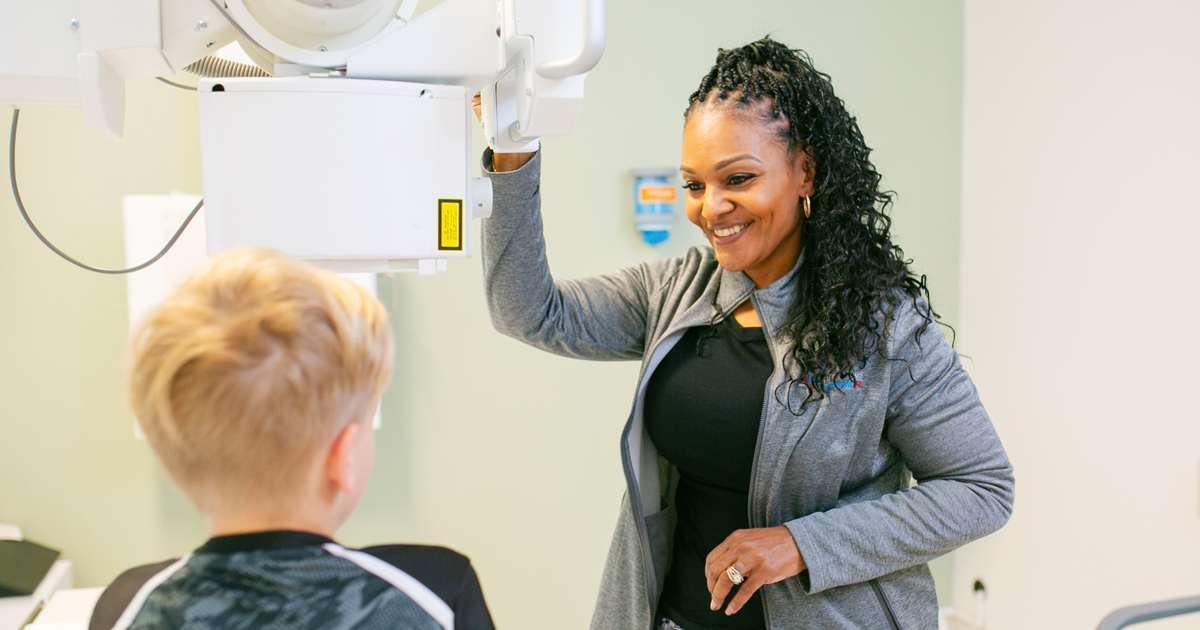
By Physicians PremiER
Wearing a lead apron shield has been part of getting an X-ray for as long as many patients can remember. The shield is meant to absorb excess radiation beams for a safer imaging experience.
But starting in 2019, medical authorities began to release new guidance about when the shields are necessary. Today, wearing a shield is not required for some types of X-ray exams.
Research has shown that a shield can sometimes interfere with proper imaging or inadvertently increase the radiation dose from the exam. And today’s imaging equipment uses much less radiation than older systems.
Shielding has not disappeared. The type of exam, the position of the shield, state regulations and the patient’s preferences all matter.
A recent Physicians PremiER Reel about X-ray shielding prompted a lot of great questions about whether people should be wearing a shield during imaging exams. Here are answers to some of the most common questions patients are asking.
Why Is Shielding No Longer Required for Some X-Rays?
Many modern X-ray machines use a technology called Automatic Exposure Control (AEC) to automatically control how much radiation is used to create an image. A detector on the machine signals it to stop the exam once it has emitted enough X-ray beams to produce a clear picture. If a shield blocks the detector, the equipment may emit more X-rays, causing unnecessary radiation exposure.
Today’s equipment can zoom in to a more precise imaging field. So, wearing a chest and abdomen shield for an X-ray of the hand, for example, is usually unnecessary.
Research has shown that imaging can create “internal scatter” of X-ray beams, briefly exposing internal organs to low-dose radiation. Because this happens inside the body, wearing an external shield does not prevent internal exposure.
These reasons are why major medical organizations including the American Association of Physicists in Medicine (AAPM) and the National Council on Radiation Protection and Measurements (NCRP) have recommended moving away from routine shielding for most patient exams.
When Are Shields Still Used?
Shields are always available for patients who want one. Under Texas state radiation-safety regulations, a person who must physically hold a patient or the device that captures the X-ray image during an exposure must use appropriate protective shielding. Whenever the exam allows, a mechanical support or restraint should be used instead. A shield should still be used when the ovaries or testicles are within 5cm of the radiation beam, if using the shield doesn’t interfere with getting a clear image.
Physicians PremiER offers on-site digital X-rays, CT scans and ultrasound to help doctors evaluate patients during medical emergencies. These imaging professionals may perform hundreds or thousands of X-rays during their career—much more than most patients will ever get individually.
Because of that cumulative risk, professionals should use protective equipment to reduce their total radiation exposure over time. Texas law states that they also must remain at least six feet from the radiation source during exposure or use specified protective equipment such as structural barriers, distance and protective garments.
Do I Need an X-Ray Shield if I Am Pregnant?
Tell your doctor or imaging technologist if you are pregnant or think you could be pregnant before getting X-rays. That information can affect how the examination is performed. Ultrasound, for example, does not use radiation and may provide the information a doctor needs.
Medically necessary imaging should not be delayed because a patient is pregnant. Imaging may be needed to diagnose a serious illness or injury. Most imaging tools use radiation doses that are much lower than the levels known to harm a developing baby.
Should Kids Still Wear a Shield During X-Rays?
Shielding might seem like a “better safe than sorry” option for children, but in some cases, it can delay getting an accurate diagnosis. Children may move after a shield has been positioned, increasing the chance that the shield will enter the imaging field and block the part of their anatomy that the physicians are trying to assess.
With all patients, especially with children, Physicians PremiER limits radiation exposure during imaging through careful positioning and adjusted equipment settings. That said, you are empowered to make well-informed decisions about your child’s health. Our providers welcome questions about any exam or treatment we recommend for your child.
Your Health Is Our Top Priority
While a lead apron is easy to see, most of the protections built into modern imaging equipment are less visible. To limit radiation exposure and get accurate imaging, we follow the ALARA principle: “As Low as Reasonably Achievable.”
This means Physicians PremiER imaging experts take the time to:
- Select the right imaging type and settings for the patient’s size, symptoms and injury
- Restrict the X-ray field to a precise area
- Position the patient carefully to avoid repeated imaging
- Maintain and test imaging equipment
If you have questions about shielding for imaging exams, ask your care team. We will help you understand your options so you can make an informed decision. Remember: If you are more comfortable using a shield, we will honor your preferences as best we can while ensuring you get an accurate diagnosis.
Get the latest health and wellness insights. Follow us on social media.
