

How to Identify Early Symptoms of Measles and When to Seek Care
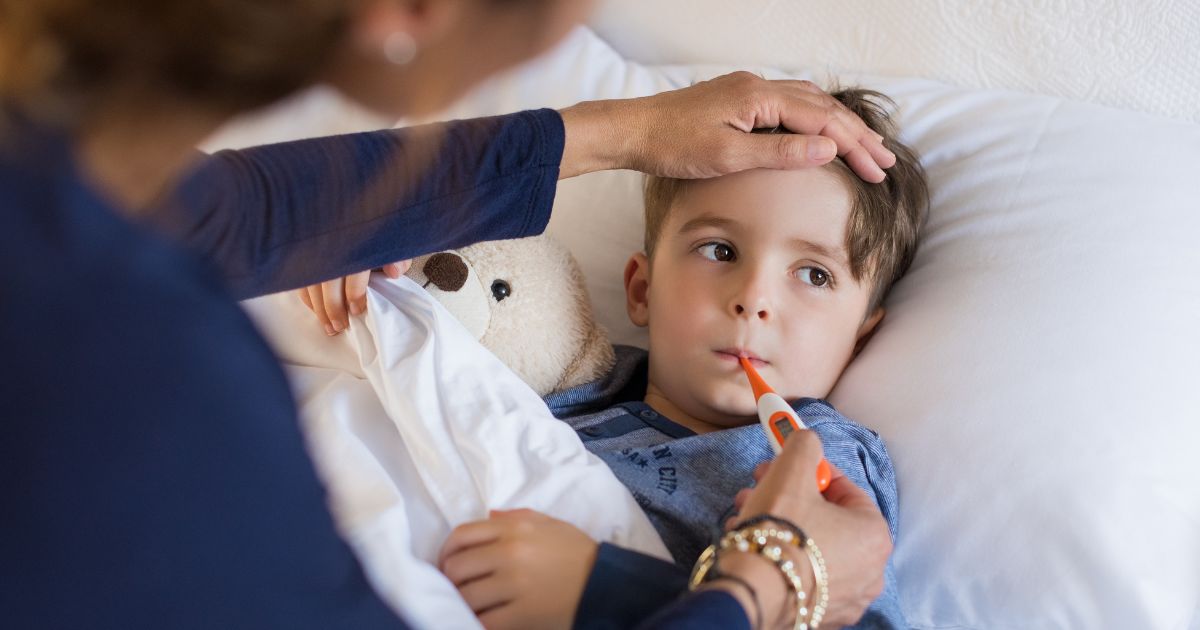
Noticing a sudden rash on your child can be stressful, especially when you aren’t sure what caused it. Children are constantly exposed to different environments, from dusty playgrounds to humid coastal air, and most of the time, a new skin irritation is just a harmless reaction to a new soap or a mild heat flare-up. However, with the recent increase in cases across the country, it is more important than ever to recognize the specific symptoms of measles that set this serious virus apart from an everyday rash.
Understanding the difference between a minor skin issue and a major illness requires looking at the whole picture. Measles is a highly contagious respiratory infection that affects the entire body rather than just the skin. While a typical rash might be itchy or localized to one area, this virus follows a distinct pattern that usually begins long before any red spots appear. Learn how to identify those early signs so you can distinguish common childhood skin issues from the measles virus with confidence.
Exploring the nature of common childhood rashes
Most parents will deal with at least a few different types of rashes before their child reaches school age. Heat rash is incredibly common in Texas, especially as the weather warms up. It usually appears as tiny, red bumps or clear blisters in areas where sweat gets trapped, such as the neck, armpits, or diaper area. According to research from the Mayo Clinic, heat rash typically feels prickly or itchy but rarely causes a fever or makes a child feel overall unwell. Once you move the child to a cooler environment and keep the skin dry, the rash usually fades quickly on its own.
Another frequent visitor to households is contact dermatitis. This happens when the skin reacts to something it has touched, like a new laundry detergent, a certain type of fabric, or even plants like poison ivy. These rashes are often very itchy and may blister or become scaly, but they stay in the area that made contact with the trigger. Unlike more serious viral infections, contact dermatitis does not spread across the entire body in a systematic way and is not accompanied by respiratory symptoms like a cough or a runny nose.
How can I tell if my child has measles or a normal rash?
The most significant way to tell the difference is to look for the three C’s of measles, which are cough, coryza, and conjunctivitis. Coryza is the medical term for a very runny nose, and conjunctivitis refers to red, watery, or inflamed eyes. If your child has a rash but does not have a fever or any of these respiratory symptoms, it is highly unlikely to be measles. A measles infection almost always begins with a high fever that can reach over 104 degrees. This fever usually starts a few days before the rash even shows up.
The behavior of the child is another major clue. Children with a simple heat rash or a mild skin reaction usually continue to play and eat normally. A child with measles, however, will typically look and feel very sick. They may be lethargic, have a decreased appetite, and seem sensitive to bright lights because of the eye inflammation. If the rash is paired with a severe cough and a child who seems exhausted, it is a sign that you should consult with a medical professional immediately.
The unique progression of the measles virus
Measles follows a very predictable timeline that helps doctors make a diagnosis. The Centers for Disease Control and Prevention explains that the illness starts about seven to fourteen days after exposure. After the initial fever and respiratory symptoms have lasted for two or three days, small white spots may appear inside the mouth. These are known as Koplik spots. They look like tiny grains of white sand on a red background on the inside of the cheeks. If you see these spots, it is a very strong indicator of measles.
The external rash usually breaks out three to five days after the first symptoms begin. It almost always starts at the hairline or behind the ears and then moves downward. It spreads to the face and neck, then the trunk, arms, and finally the legs and feet. This head-to-toe progression is a classic sign of the virus. The spots are often flat and red, but they can join together to create large, blotchy patches of skin. As the rash appears, the fever often spikes to its highest point. This systematic spread is very different from a common rash that might appear all at once or stay in one specific area.
Comparing measles with other viral lookalikes
Several other viruses can cause a fever and a rash, which often confuses parents. Roseola is a common one that mostly affects infants and toddlers. With roseola, a child will have a high fever for three to five days, but the rash only appears once the fever has completely disappeared. This is the opposite of measles, where the rash and fever occur together. A roseola rash also usually starts on the chest or back and spreads to the limbs, skipping the face entirely.
Fifth disease is another common childhood illness that causes a distinct bright red rash on the cheeks. This is often followed by a lacy, pink rash on the rest of the body. While it can cause a mild fever, children with fifth disease usually do not appear as ill as those with measles. According to the American Academy of Pediatrics, fifth disease is generally a mild illness that resolves on its own without specific treatment. Understanding these differences can help you provide a more accurate description of the illness when you speak with a doctor.
Ensuring your family is protected
Vaccination remains the most effective tool in preventing the spread of measles. The World Health Organization reports that measles is one of the most contagious diseases in the world, and it can stay in the air for up to two hours after an infected person has left a room. In Texas, maintaining a high level of community immunity is essential to protecting those who cannot be vaccinated, such as very young infants or people with weakened immune systems.
If you suspect your child has been exposed to measles or is showing symptoms, it is vital to keep them isolated from other people. Call your medical provider before you arrive so they can take steps to prevent other patients from being exposed in the waiting room. Taking clear photos of the rash and keeping a log of the child’s temperature can be very helpful for the medical team. Being proactive about your family’s health history and staying informed about local health trends are some of the best ways to ensure everyone stays safe.
Finding clarity and care for your child
We know that seeing your child in discomfort is one of the hardest parts of being a parent. While many rashes can be treated at home with simple remedies, having the peace of mind that comes from a professional evaluation is invaluable. At Physicians Premier, our board-certified ER physicians are experts in identifying a wide range of childhood illnesses, including the specific symptoms of measles. We provide a clean, quiet, and comfortable environment where your family can receive the attention they deserve without the long wait times often found in hospital-based emergency rooms.
Our facilities are equipped with on-site advanced diagnostics, including labs and imaging, to help us get to the bottom of any health concern quickly. Whether it is a severe allergic reaction, a high fever, or a mysterious rash, we are here to provide compassionate care and clear answers. We are deeply connected to the communities we serve and take pride in offering personalized service that puts your child’s well-being first. You can find support at any of our Physicians Premier locations across the state. We are open 24/7, 365 days a year, ensuring that expert medical care is always available whenever you need it most.
Sources
“Common baby rashes,” Mayo Clinic,
https://www.mayoclinic.org/healthy-lifestyle/infant-and-toddler-health/in-depth/baby-rashes/art-20546833
“Measles Signs and Symptoms,” Centers for Disease Control and Prevention,
https://www.cdc.gov/measles/signs-symptoms/index.html
“Fifth Disease,” American Academy of Pediatrics,
https://www.healthychildren.org/English/health-issues/conditions/skin/Pages/Fifth-Disease-Parvovirus-B19.aspx
“Measles,” World Health Organization,
https://www.who.int/news-room/fact-sheets/detail/measles
“Heat rash, Symptoms and causes,” Mayo Clinic,
https://www.mayoclinic.org/diseases-conditions/heat-rash/symptoms-causes/syc-20373276
