
August 18, 2024 — Emergency Care, Health & Safety Tips, Resources
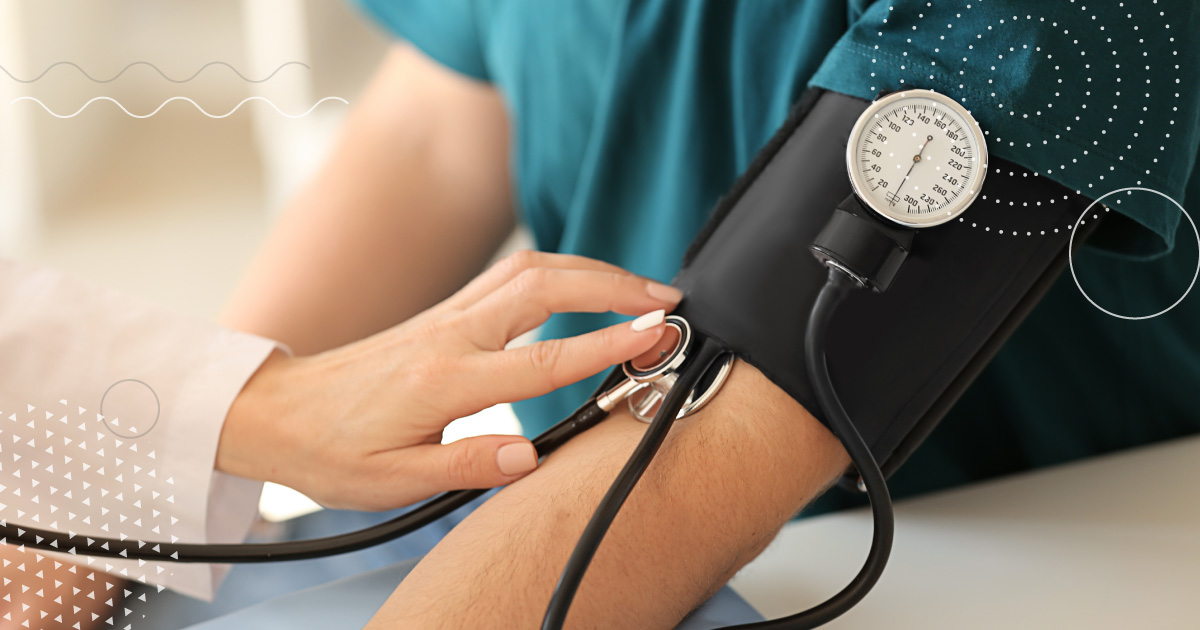
Are you drinking enough water? You might be surprised to learn that staying hydrated is not just about quenching your thirst – it’s also important for maintaining healthy blood pressure. Let’s discuss how dehydration and high blood pressure are connected and what you can do to stay healthy.
Dehydration happens when your body loses more fluids than it takes in. This can happen for several reasons, like sweating a lot, not drinking enough water, or being sick with vomiting or diarrhea. When your body doesn’t have enough water, it can’t work properly, leading to various health problems.
Here’s a simple explanation – your blood is about half water. When you’re dehydrated, your blood becomes thicker, making your heart work harder to pump it around your body. This can cause your blood pressure to go up. Dehydration can cause your body to release hormones like aldosterone and vasopressin, which tighten blood vessels and raise blood pressure.
Electrolytes like sodium and potassium play an important role in maintaining fluid balance in your body. When you’re dehydrated, your electrolyte levels can become imbalanced. High sodium levels can cause your body to retain water, increasing your blood pressure. On the other hand, low potassium levels can affect the function of your heart and muscles, which can also influence blood pressure.
Recognizing the signs of dehydration is important so you can act quickly. Some common signs include:
Staying hydrated is one of the simplest things you can do to keep your blood pressure in check. Here are some easy tips:
If you often feel dehydrated or if you have high blood pressure, it’s a good idea to talk to your doctor. They can help you understand the connection between your hydration levels and blood pressure. They can also give you advice on how to stay hydrated and keep your blood pressure at a healthy level.
If you experience severe dehydration or certain symptoms, it’s important to seek medical help immediately. Here are some key situations to watch out for:
Seeking medical help for severe dehydration is vital to avoid complications and ensure you get the right treatment.
Drinking enough water is not just about staying hydrated – it can also help keep your blood pressure normal. By paying attention to how much water you drink and recognizing the signs of dehydration, you can take simple steps to protect your health. If you have any concerns about dehydration or high blood pressure, don’t hesitate to reach out to a healthcare professional. For more tips on staying healthy, visit Physicians Premier.
Staying hydrated is easy and can make a big difference in your overall health. Make it a habit to drink water regularly, and you’ll be doing your body a big favor.
Sources:
“Dehydration,” Mayo Clinic, https://www.mayoclinic.org/diseases-conditions/dehydration/symptoms-causes/syc-20354086
“The Link Between Dehydration and Blood Pressure,” Cleveland Clinic, https://health.clevelandclinic.org/dehydration-and-blood-pressure
“Dehydration,” Sinai Dignity Health, https://www.dignityhealth.org/arizona/services/emergency-services/when-to-go-to-er/dehydration