
March 14, 2022 — Health & Safety Tips, Resources
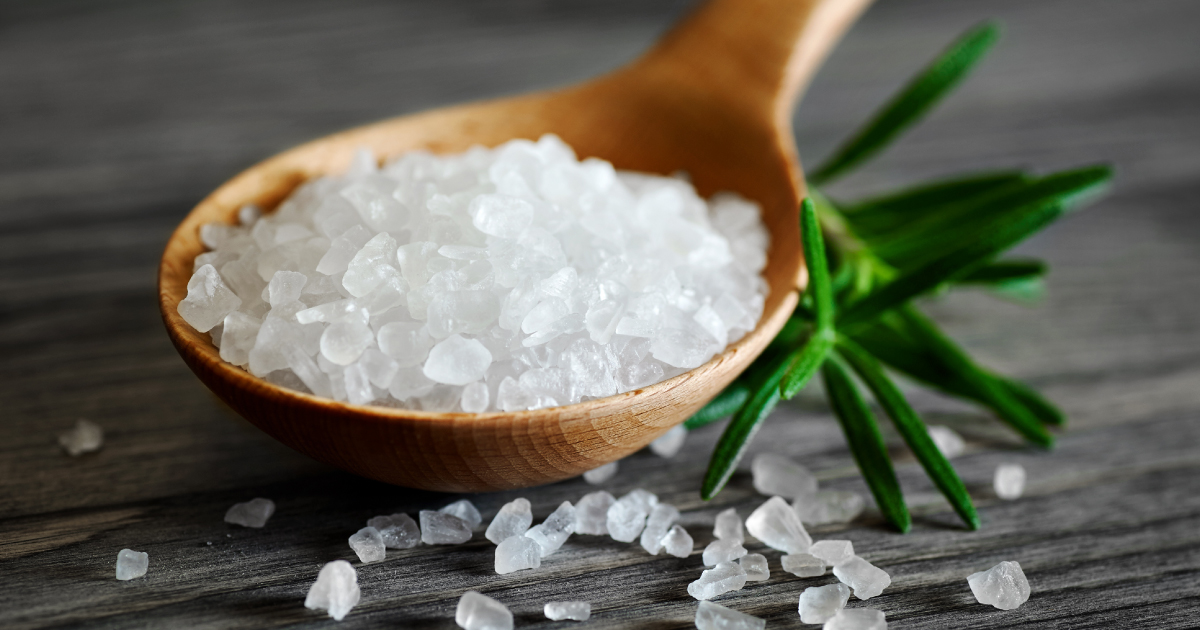
Did you know that too much salt in a diet has been associated with high blood pressure, heart disease, stroke, and chronic renal disease?
Salt is a flavoring and preservative. It’s around 60% chloride and 40% sodium. Fruits, veggies, meats, nuts, whole grains, and dairy products all have a low sodium content. Salt helps relax and contract muscles, assist nerve impulses, and balance minerals and water intake.
Salt can be deceptive, addicting, and detrimental to your health. That is why it is critical to monitor your salt intake. Discover more about Salt Awareness Week.
Our bodies require a certain amount of salt or sodium to function properly. Once consumed and distributed in the bloodstream and other bodily fluids, salt performs several functions, including the following:
These critical functions require only a small quantity of salt every day.
The question is, how much salt should you consume? The average adult’s daily recommended salt intake is approximately 2,300 mg, equal to one teaspoon of table salt. However, many people consume far more salt than is recommended for a day, leading to serious health problems.
It’s World Salt Awareness Week, and this year’s focus is on simple things that can be done to reduce salt intake in your diet.
Getting to know which foods are high in salt is the first step toward keeping a healthy salt consumption. This enables you to make educated decisions about how frequently you can eat salty foods. Some examples of foods high in salt are:
These are only some examples. All of the above products have added salt as flavor enhancers or preservatives. As you can see, table salt is not the only high sodium content product.
Many chronic health issues require reduced salt intake, and people generally use too much of it. Instead, you could substitute salt by trying other herbs, spices, and ingredients to add flavor to your dishes. Let’s look at some:
Salt is the chosen flavor enhancer by many people. But, as you can see, you can replace it with other ingredients to reduce the salt in a diet.
It’s a fact that salt is the most commonly used seasoning in food. And many people consume an excessive amount of it.
During Salt Awareness Week, healthcare professionals will emphasize the need to reduce salt intake and the risk of high salt intake on your health.
Do you need care from an emergency room in Cibolo, TX? Our independent ER is dedicated to providing the best and most efficient, empathetic, and patient-centered emergency treatment.
Sources:
Dietary Reference Intakes for Sodium and Potassium. Washington (DC): National Academies Press (US); 2019 Mar;https://www.hsph.harvard.edu/nutritionsource/salt-and-sodium/
Centers for Disease Control and Prevention. Sodium and Food Sources. https://www.cdc.gov/salt/food.htm Accessed 3/18/2019;https://www.hsph.harvard.edu/nutritionsource/salt-and-sodium/take-action-on-salt/
18 Flavorful Salt Alternatives. Lizzie Streit, MS, RDN, LD on September 17, 2020 — Medically reviewed by Kathy W. Warwick, R.D., CDE, Nutrition;https://www.healthline.com/nutrition/salt-alternatives
Salt in everyday foods adds up quickly. Heart Foundation: Lily Henderson, NZRD, National Nutrition Advisor on 12 March 2018; https://www.heartfoundation.org.nz/about-us/news/blogs/salt-in-everyday-foods
Sodium in Your Diet. Use the Nutrition Facts Label and Reduce Your Intake. Content current as of 02/25/2022; https://www.fda.gov/food/nutrition-education-resources-materials/sodium-your-diet