
Category

October 2, 2026 — Emergency Care, Health & Safety Tips
By Gregory Yu, MD When we evaluate someone after a fall, one of our first jobs is to answer two questions: What areas were injured, and what caused the person to fall? Each question points to a different kind of risk. If there was no clear trip or slip, the fall may be a warning […]
Read Blog
September 14, 2026 — Emergency Care, Health & Safety Tips
By Annie Quysner, MD It’s normal for your heart to beat faster during exercise or exertion. But after you stop moving, it should slow and maintain a steady rhythm. A heartbeat that stays uneven, gets faster without a clear reason or comes with dizziness, shortness of breath or chest pain deserves prompt attention. It could […]
Read Blog
August 21, 2026 — Children's Health Care
By Matthew McClure, MD By late summer, we often see a pattern in the emergency room: a child comes home from camp with a cough, a teen develops a fever after sports practice or a college student gets sick after moving into a dorm. Close contact that comes with back-to-school season helps viruses spread quickly. […]
Read Blog
July 24, 2026 — Health & Safety Tips
By Daniel Elwell, DO — Physicians Premier Medical Director for Portland, TX As an emergency medicine specialist, I’ve seen many Texans’ summer plans ruined by an often-preventable condition: dehydration. In the ER, we frequently see people who’ve tried to push through thirst, fatigue or weakness for too long in hot weather. By the time nausea, […]
Read Blog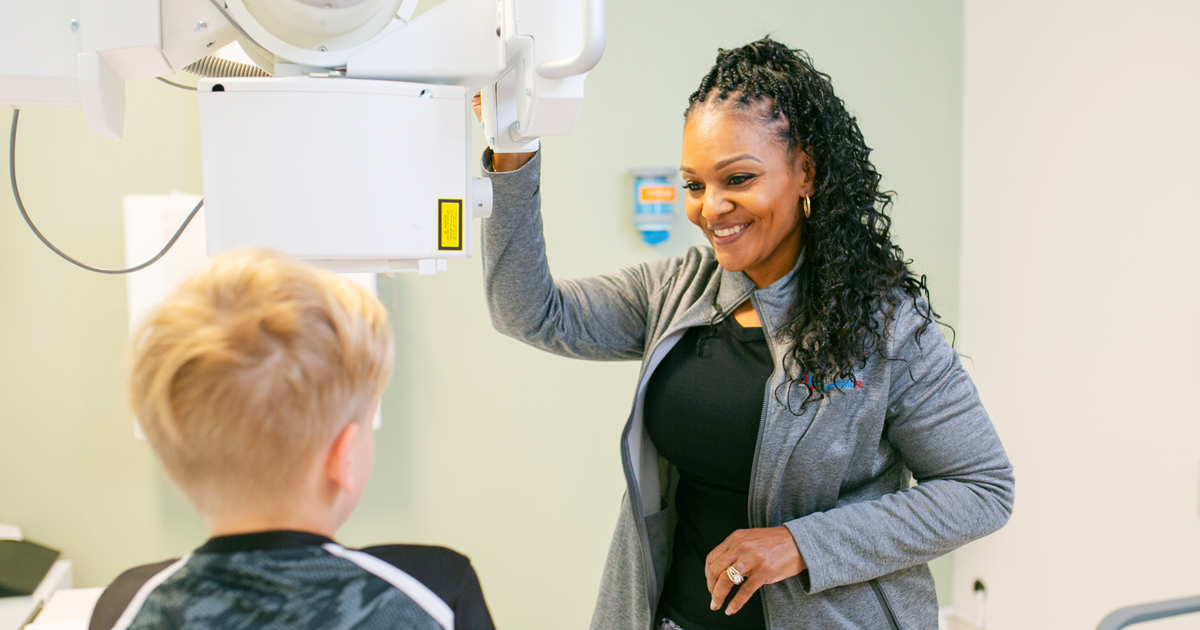
By Physicians PremiER Wearing a lead apron shield has been part of getting an X-ray for as long as many patients can remember. The shield is meant to absorb excess radiation beams for a safer imaging experience. But starting in 2019, medical authorities began to release new guidance about when the shields are necessary. Today, […]
Read Blog