
August 21, 2025 — Health & Safety Tips, Resources
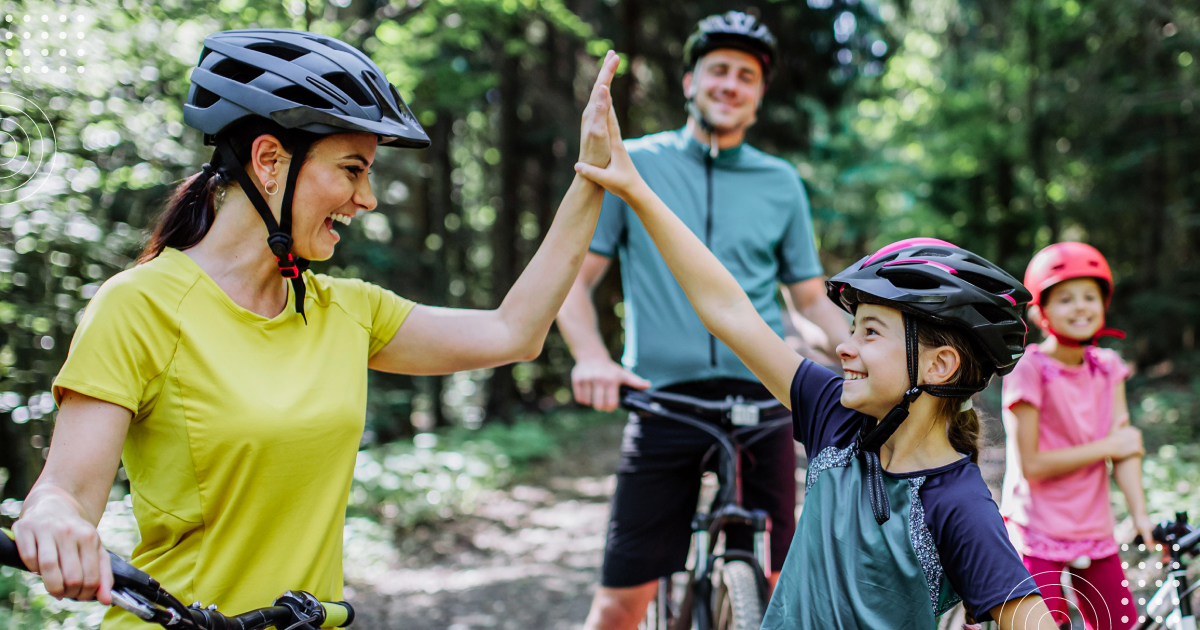
Staying active as a family is one of the best ways to keep everyone healthy, happy, and connected, and it doesn’t have to be complicated. Making family fitness part of your routine helps strengthen your bodies, boost your moods, and create fun memories along the way.
Whether it’s an afternoon bike ride, a weekend hike, or a spontaneous living room dance party, moving together doesn’t require a gym membership or perfect schedules. It’s about finding small, enjoyable ways to stay active as a team. Over time, these moments of movement not only support better physical health but also encourage communication, teamwork, and lasting family bonds.
Regular physical activity is important at every age, and doing it as a family makes it even more powerful. Children who stay active daily build stronger bones and muscles, maintain a healthy weight, and lower their risk for chronic conditions like type 2 diabetes and heart. Adults benefit just as much, with exercise linked to better sleep, improved focus, reduced stress, and a stronger heart.
Yet the CDC reports that less than half of U.S. adults meet recommended activity levels, and only about one in four get the right mix of cardio and strength training. Making activity a shared family habit can help everyone reach their goals while turning exercise into quality time together.
The good news is, you don’t need hours in the gym to get results. The right amount of activity depends on age:
Breaking this into smaller, manageable chunks makes it easier to fit into a busy schedule, especially when everyone’s doing it together.
Transform your living room or backyard into a mini fitness course. Rotate through stations like jumping jacks, squats, crawling under tables, or doing “animal walks” such as bear crawls and crab walks. Set a timer for 30-45 seconds at each station. You’ll all get a great workout while laughing together.
Walking after dinner or biking to a nearby park is an easy, no-cost way to stay active. Try setting a step goal and tracking your progress as a family. If younger kids are involved, make walks more exciting with a scavenger hunt – look for certain colors, shapes, or animals along the way.
Plan outings that naturally involve movement, like visiting the zoo, hiking a nature trail, going roller skating, or swimming at a community pool. These activities don’t feel like exercise, but they get everyone moving and bonding.
Choose a fun challenge for the week, maybe a “30 push-ups a day” challenge or “hold a plank for 1 minute.” Mark your progress on a chart and celebrate together when you reach your goals.
Turn on your favorite upbeat music and have a dance party right at home. Dancing is great cardio and can be enjoyed by all ages. You can even let each family member take turns being the “DJ” and picking songs.
When kids see their parents and siblings staying active, they’re more likely to make fitness a lifelong habit. Making it fun is the key; the activity doesn’t have to be perfect or intense. What matters is that you’re doing it consistently. Small steps count, and even 10–15 minutes of activity at a time adds up over the week.
Consider setting aside specific times in your weekly schedule for family movement, just like you would for meals or school. Over time, it becomes part of your routine rather than something you have to “make time” for.
A few precautions can help make family fitness safe and enjoyable:
Family fitness is about more than exercise; it’s about creating a lifestyle that keeps everyone healthy and close. Whether it’s through simple games, evening walks, or weekend adventures, moving together builds stronger bodies, sharper minds, and happier relationships.
Life can be unpredictable, and injuries or sudden illnesses can happen even in the most active families. That’s why Physicians Premier is here for you 24/7, offering advanced care in a comfortable setting whenever you need it. Find your nearest location at Physicians Premier Locations and keep our team in mind as your partner in health – any time, day or night.
Sources
“Health Benefits of Physical Activity for Children,” Centers for Disease Control and Prevention,
https://www.cdc.gov/physical-activity-basics/health-benefits/children.html
“Benefits of Physical Activity,” Centers for Disease Control and Prevention,
https://www.cdc.gov/physical-activity-basics/benefits/index.html
“Exercise or Physical Activity,” CDC National Center for Health Statistics,
https://www.cdc.gov/nchs/fastats/exercise.htm
“Child Activity: An Overview,” Centers for Disease Control and Prevention,
https://www.cdc.gov/physical-activity-basics/guidelines/children.html
“Adult Activity: An Overview,” Centers for Disease Control and Prevention,
https://www.cdc.gov/physical-activity-basics/guidelines/adults.html
“What You Can Do to Meet Physical Activity Recommendations,” Centers for Disease Control and Prevention,
https://www.cdc.gov/physical-activity-basics/guidelines/index.html