
November 17, 2024 — Emergency Care, Resources
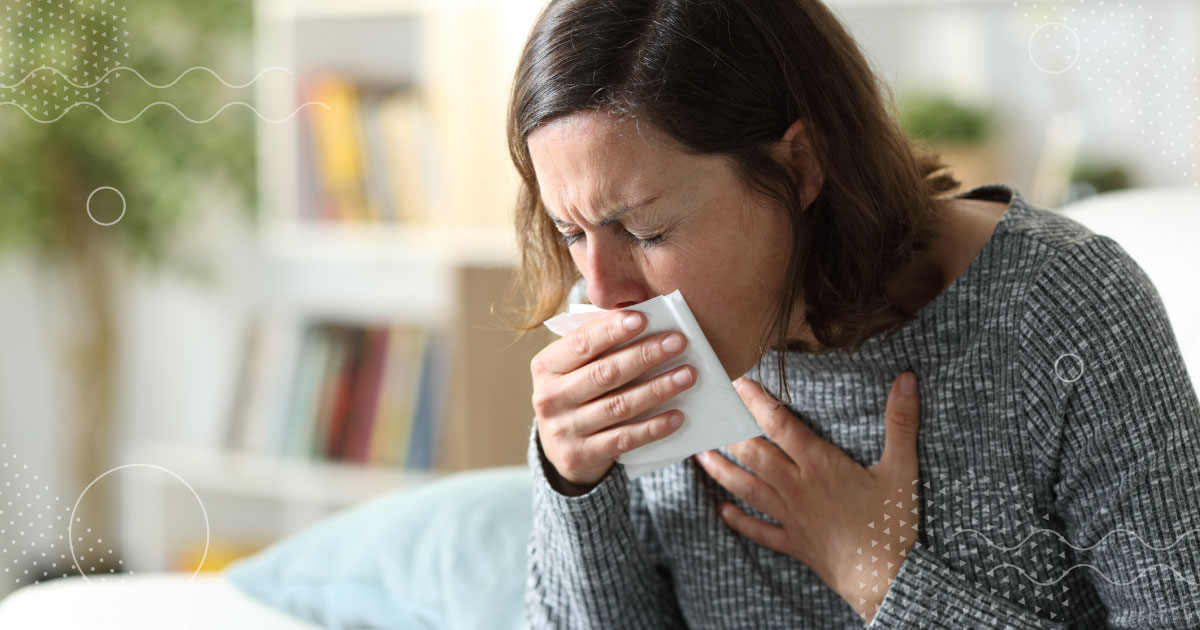
With colder months approaching, understanding how to spot the early signs of pneumonia can make a real difference for families. This guide will help you recognize pneumonia symptoms, know who is most vulnerable, and understand when it’s time to visit the ER.
With colder months comes a rise in respiratory infections, and pneumonia becomes a bigger concern, especially for babies, older adults, and anyone with health issues. Spotting pneumonia early can prevent serious health problems and ensure your loved one gets the care they need right away.
Pneumonia is an infection that inflames the air sacs in one or both lungs, leading to fluid or pus buildup. It can be caused by bacteria, viruses, or fungi. Winter tends to bring more respiratory infections like the flu, which can weaken the body’s defenses and make it easier for pneumonia to develop. During these colder months, we also spend more time indoors where germs spread faster.
While anyone can get pneumonia, some people are more at risk than others. These include:
Pneumonia symptoms can look a lot like a bad cold or the flu, so it’s important to notice any signs that stand out. Here are some symptoms to watch for:
In children, you may also notice irritability, loss of appetite, or trouble feeding. For older adults, symptoms like confusion or sleepiness are also important to keep an eye on.
Pneumonia can get worse quickly, so knowing when to go to the ER is important. Seek emergency care if you notice:
If you or a loved one is in a high-risk group, even mild symptoms that get worse should be looked at by a doctor.
If symptoms are mild, here are a few steps to help manage them at home, though it’s always best to get medical advice when needed:
Here are a few steps to help prevent pneumonia this season:
In winter, our immune systems can be weaker because of less sunlight, colder temperatures, and spending more time indoors. Cold air can also irritate the airways, making infections feel worse. With more people gathered indoors, germs spread quickly, so staying vigilant about hygiene is important.
Recognizing pneumonia symptoms early can protect your health and your loved ones. Don’t hesitate to seek care if symptoms get worse. Physicians Premier ER is here to help with expert, compassionate care when you need it. Stay informed, be prepared, and let’s keep our families healthy this season.
Sources:
“Pneumonia,” Mayo Clinic, https://www.mayoclinic.org/diseases-conditions/pneumonia/symptoms-causes/syc-20354204
“What Is Pneumonia?” American Lung Association, https://www.lung.org/lung-health-diseases/lung-disease-lookup/pneumonia/learn-about-pneumonia
“Pneumonia Symptoms and Diagnosis,” American Lung Association, https://www.lung.org/lung-health-diseases/lung-disease-lookup/pneumonia/symptoms-and-diagnosis
“Pneumonia – When Should you Seek Emergency Care?” Physicians Premier, https://mdpremier.com/pneumonia-when-should-you-seek-emergency-care/
“Pneumonia,” Nationwide Children’s Hospital, https://www.nationwidechildrens.org/conditions/pneumonia
“Why does the risk of pneumonia increase in winter?” The Health Site, https://www.thehealthsite.com/diseases-conditions/why-does-risk-of-pneumonia-increase-in-winter-b1117-534623/