
December 14, 2024 — Resources
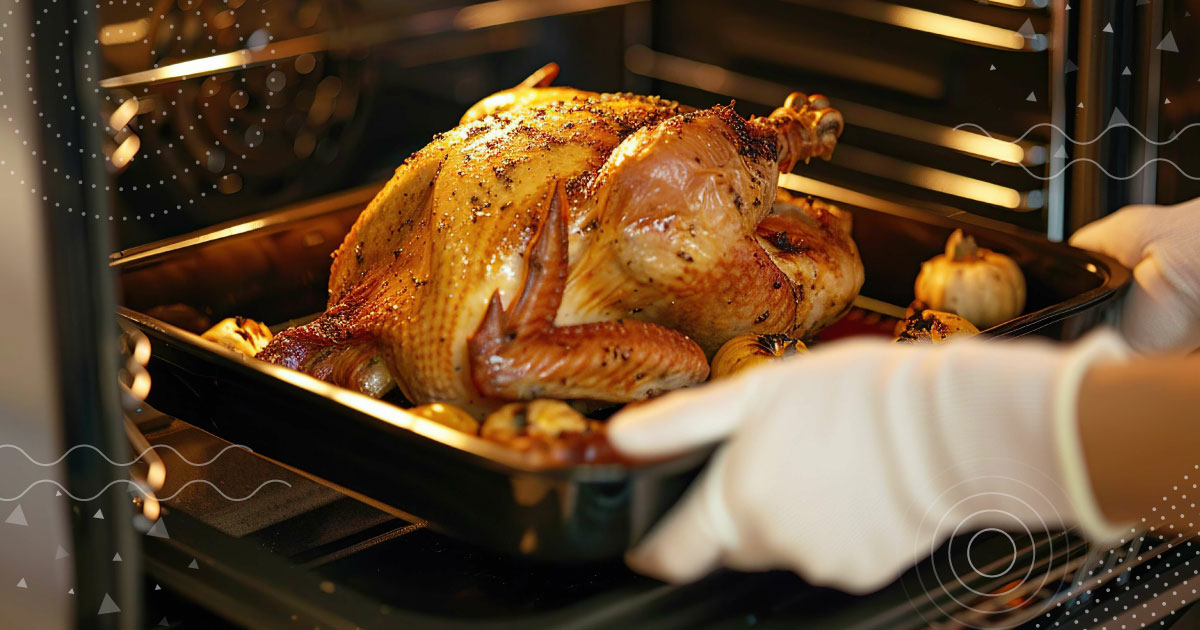
Accidents can happen in an instant, but preventing burn injuries at home is possible with a little extra care and awareness. Simple steps like monitoring hot surfaces, using childproof barriers, and handling flammable materials responsibly can help create a safer environment and protect your family from one of the most common household injuries.
Burns can result from a variety of everyday activities, from cooking to using household appliances. According to the American Burn Association, more than 70% of burn injuries occur at home, often involving hot liquids, open flames, or electrical devices. The good news is that most of these accidents are preventable with basic precautions.
The kitchen is one of the most common places where burns occur, especially during meal prep. Hot oil splashes, boiling water spills, or accidental contact with hot cookware are frequent causes.
To reduce the risk:
Supervising children in the kitchen is also key. Teach them to stay at a safe distance from hot appliances and explain why certain areas, like the stove, should be off-limits.
Scald burns are another common household injury, especially for young children. These often result from spills involving hot drinks, soups, or water from the tap.
To prevent scalding:
Simple habits, like using travel mugs with secure lids for hot beverages, can make a big difference in preventing spills and accidents.
Burns from electrical appliances are often caused by improper use or damaged wiring. Faulty devices can overheat, leading to injuries or even fires.
Follow these safety tips:
By being mindful of how you use and maintain appliances, you can reduce the risk of burns and keep your home safer.
The bathroom is another area where burns can easily happen, especially for children and older adults. Hot water and steam are the usual culprits.
To improve bathroom safety:
Small adjustments like these can make the bathroom a much safer space for everyone in your household.
Fireplaces, candles, and even space heaters can become hazards if not managed properly. While these items provide warmth and ambiance, they can also lead to serious injuries if safety precautions are ignored.
To prevent burns and fires:
Teaching children about fire safety is another important step. Explain the dangers and establish clear rules to keep them safe.
Some chemical burns occur when household cleaning products or other chemicals are mishandled. Direct contact with these substances can cause skin irritation or burns.
To reduce the risk:
Being aware of the potential dangers and handling chemicals carefully can prevent accidents before they happen.
Even with precautions, accidents can still occur. Knowing how to respond to a burn injury can make a significant difference in minimizing its severity.
Here’s what to do:
Having a well-stocked first aid kit at home ensures you’re ready to handle minor injuries. For serious situations, it’s important to know where your nearest emergency facility is located.
Preventing burn injuries is easier than you think. Simple, mindful actions – like practicing safety in the kitchen, bathroom, and around heat sources – can significantly reduce the risk of burns and create a safer environment for your loved ones.
If you or someone in your family experiences a burn that requires immediate care, visit Physicians Premier to find a location near you. Our team is here to provide fast, compassionate care when you need it most.
Sources:
“Scald Statistics and Data Resources,” American Burn Association, https://ameriburn.org/wp-content/uploads/2018/12/nbaw2019_statsdataresources_120618-1.pdf
“Burns, scalds and fire-related injuries,” Unicef, https://www.unicef.org/parenting/safety/burns-scalds-fire-safety-tips
“Ideal Water Heater Temperature Setting: What Is the Best Temperature for Your Water Heater,” The HVAC Service Solutions, https://thehvacservice.ca/ideal-water-heater-temperature-setting-what-is-the-best-temperature-for-your-water-heater/
“Preventing Burn Injuries in Children,” Nationwide Children’s Hospital, https://www.nationwidechildrens.org/conditions/health-library/preventing-burn-injuries-in-children
“Burns: Preventing Burns in Your Home,” Family Doctor, https://familydoctor.org/burns-preventing-burns-in-your-home/